Canadian house design is a fascinating architectural tapestry, woven from historical immigration patterns, vast regional diversity, and, most crucially, the necessity of surviving one of the world’s most dramatic climates. From the humid summers of Ontario to the frigid winters of the prairies and the temperate rainforests of the West Coast. Canadian homes are define by their resilience, energy efficiency, and a deep-seated connection to the sprawling natural landscape.
Moving beyond simple aesthetics, the philosophy behind a Canadian home is fundamentally pragmatic: designing a structure that is a warm, dry, and robust sanctuary. Against extreme weather, while maintaining a spacious, light-filled, and comfortable interior.
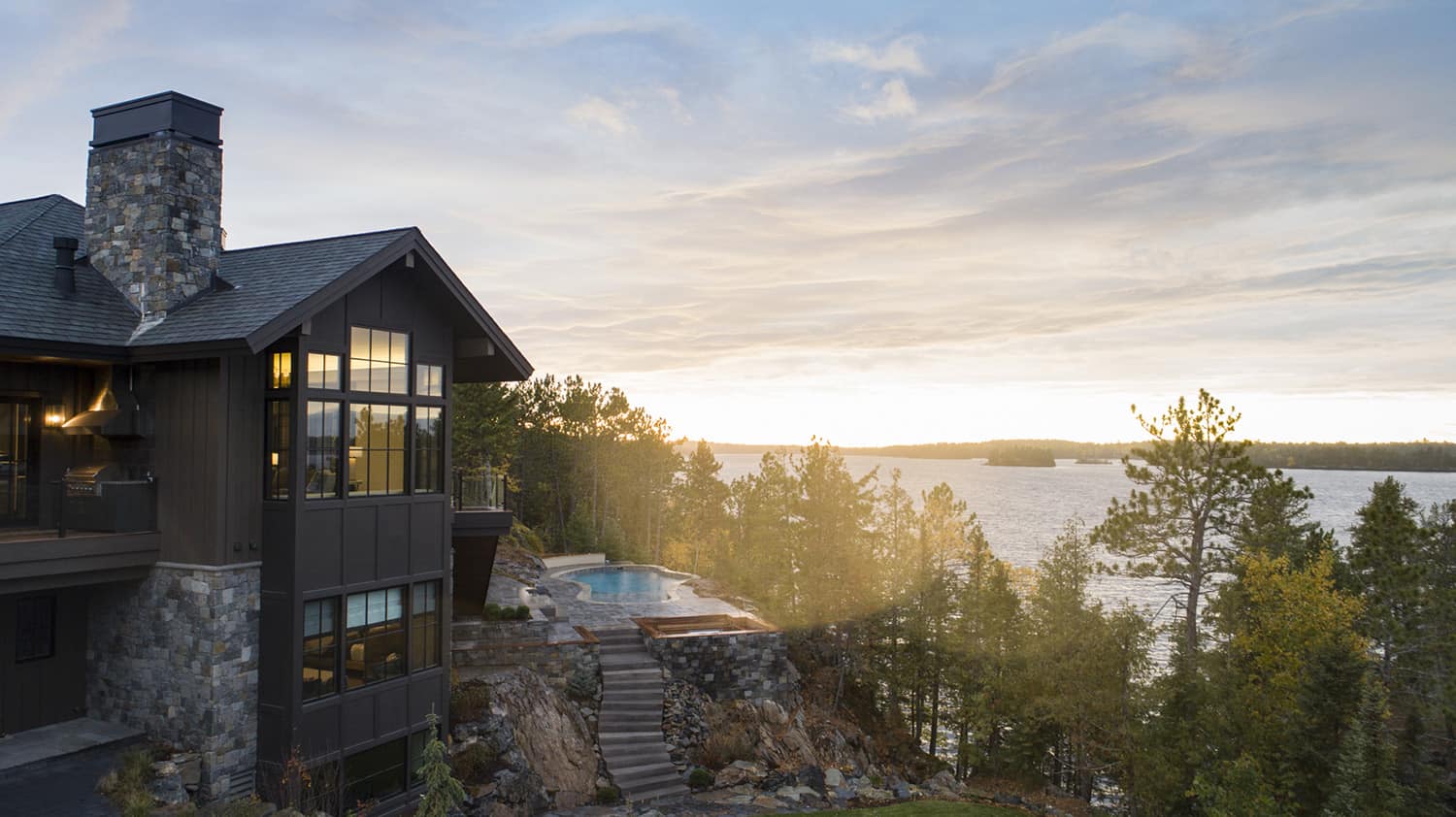
The Climate Imperative: Built for the Cold
The single most defining feature of Canadian house design is its adaptation to long, severe winters. This environmental constraint has forced innovation in construction techniques and material science, prioritizing insulation and energy retention.
Core Architectural Features for Cold Weather
- High Thermal Performance: Canadian building codes strictly enforce high insulation values (R-ratings) in walls, roofs, and foundations. Homes typically feature thick, well-insulated walls, often with wood-frame construction. And a concrete foundation to guard against frost heave and moisture.
- Triple-Pane Windows: While not ubiquitous, triple-pane windows are increasingly common, especially in new builds, minimizing heat loss and preventing condensation. Windows are generally smaller in older, traditional styles but are strategically maximize. On the south-facing side in modern designs to capture passive solar gain.
- Steeply Pitched Roofs: In regions with heavy snowfall, like Quebec and the Maritimes. Steep gable or hip roofs are a practical necessity. They are design to effectively shed snow, preventing accumulation that could stress the structure. Traditional French Colonial homes, in particular, often feature tall, pitched roofs for this purpose.
- The Mudroom and Vestibule: An essential functional element in most Canadian homes is the mudroom or vestibule. A dedicated transition space located just inside the main entrance. This area serves as a critical buffer against the cold, providing space to shed wet boots, heavy coats. And snow before entering the main heated living area, thereby preserving internal cleanliness and warmth.
Regional Diversity in Canadian House Styles
While climate adaptation forms the technical backbone, architectural styles vary significantly across Canada’s six major geographic regions, reflecting cultural heritage and local materials.
- West Coast Modern (British Columbia): Popular in Vancouver and surrounding areas, this style emphasizes. An intimate connection with the lush, often rainy, natural environment. Key features include flat or low-pitched roofs, extensive use of unpainted cedar, deep overhangs, and vast expanses of glass. Interiors are typically open-concept and minimalist, allowing the forest or ocean view to serve as the main décor.
- Quebecois Traditional: Rooted in French colonial history, these homes feature steep, often bell-cast, roofs designed for heavy snow load, dormer windows, and thick stone or brick masonry. The aesthetic is often rustic and robust, prioritizing durability and classic symmetry.
- Victorian and Georgian (Ontario and Maritimes): In older, established cities like Toronto and Halifax, the historical influence of British settlement is evident. Victorian homes are characterized by intricate detailing, asymmetrical facades, and tall. Narrow windows (like Toronto’s distinctive Bay-and-Gable style), while Georgian homes emphasize strict symmetry, balanced facades, and classical proportions, often executed in brick.
- The Ranch and Craftsman (Prairies and Suburbs): The Ranch style, broadly applied in Canadian contexts to mean a single-story home, is popular for its accessibility and open-concept living. The Craftsman style, with its low-pitched roofs, wide eaves, covered front porches. And natural materials like exposed wood beams and stone piers, is popular across the country for its warm, woodsy appearance that blends well with nature.
Modern Interior Concepts and Living
Regardless of the exterior style, modern Canadian interiors share several common traits focused on maximizing light and open space to combat the darkness of winter.
- Open-Concept Living: The majority of contemporary Canadian homes feature open-plan kitchen, dining, and living areas. This not only promotes social interaction but also helps to circulate heat. And maximize the impact of natural light coming from fewer, strategically placed windows.
- Maximizing Natural Light: Given the low light levels during winter, the strategic placement of windows is crucial. Designers employ vaulted ceilings and large, often north-facing, skylights to draw in diffused light without compromising thermal efficiency. The use of bright white and neutral colour palettes internally helps reflect and amplify available light.
- Wood and Natural Textures: Reflecting Canada’s vast forests, wood is often used extensively for flooring, cabinetry, and exposed beams, adding crucial warmth and texture to the clean, neutral interior shell that often defines modern Canadian design. This use of natural materials also connects the interior to the landscape outside.
Conclusion: A Home of Substance and Sanctuary
Canadian house design is a masterclass in resilient architecture, successfully blending the demands of a formidable climate with a diverse palette of historical and regional aesthetics. From the fundamental engineering required for cold weather performance—superior insulation, strategic windows, and robust roofing—to the aesthetic choices that prioritize light and connection to nature, the Canadian home is engineered to be a reliable, comfortable sanctuary. It is a design that respects both tradition and the environment, resulting in homes that are not only beautiful but also enduringly practical, making them truly fit for their unique place in the world.
Would you be interested in learning more about the Passive House standard and its increasing influence on Canadian residential design?