The concept of the “modern home” has undergone a radical transformation over the last decade. While modernism once focused strictly on cold minimalism and industrial aesthetics, the new generation of architectural design prioritizes. A harmony between human wellness, technological integration, and environmental sustainability. Today’s modern home plans are no longer just about looking “sleek”; they are about functioning intelligently in a rapidly changing world.
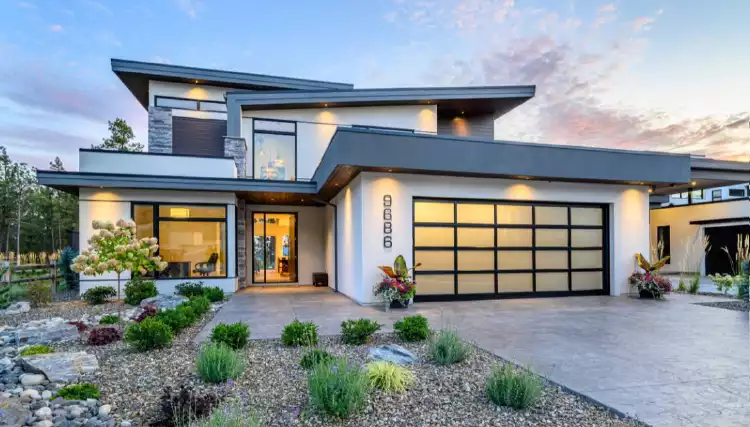
For those planning to build or renovate, understanding the latest shifts in home design is crucial. These trends are not merely stylistic choices but responses to how our lifestyles have evolved. Here is a deep dive into the defining features of new modern home designs and plans.
1. Biophilic Design: Bringing the Outdoors In
One of the most significant shifts in modern architecture is the move toward biophilic design. This philosophy is based on the innate human need to connect with nature. In modern home plans, this translates to more than just adding a few indoor plants; it involves the structural integration of the natural world into the living space.
New modern designs often feature floor-to-ceiling glass walls, internal courtyards, and “living walls” that act as natural air purifiers. Large, retractable glass doors blur the boundaries between the living room and the garden, effectively extending the home’s footprint. By maximizing natural light and providing direct visual access to greenery. These designs have been shown to reduce stress and improve the overall mental well-being of the occupants.
2. Flexible and Adaptive Floor Plans
The traditional home layout—with rigid, single-purpose rooms like “the formal dining room” or “the guest bedroom”—is becoming obsolete. Modern home plans now emphasize “flex-spaces.” As remote work and multi-generational living become the norm. A house must be able to adapt to changing needs throughout the day and over the years.
Architects are now incorporating movable walls, “pocket” offices that can be hidden behind cabinetry, and secondary suites with separate entrances. This adaptability ensures that a home can transition from a quiet workspace during the day to an entertainment hub in the evening. And eventually accommodate aging parents or adult children without requiring a massive structural overhaul.
3. Sustainable and Net-Zero Aspirations
In 2025, modern design is synonymous with sustainability. New home plans are increasingly focused on achieving “Net-Zero” status, meaning the home produces as much energy as it consumes. This is achieved through a combination of passive and active technologies.
Passive solar design is a cornerstone of this movement, where the orientation of the house is strategically planned. To take advantage of the sun’s path for natural heating in the winter and cooling in the summer. Additionally, the integration of Tesla Powerwalls or similar solar battery storage systems is now a standard feature in high-end modern blueprints. Beyond energy, there is a focus on “circular” building materials—using recycled steel. Reclaimed wood, and low-carbon concrete to reduce the embodied carbon of the construction process.
4. The Smart Home Ecosystem
True modern design integrates technology into the very bones of the building, rather than treating it as an afterthought. We are moving past simple smart speakers toward fully integrated home ecosystems.
Modern plans now include dedicated “tech closets” and pre-wired infrastructure for high-speed fiber and IoT (Internet of Things) devices. Smart glass that tints automatically based on the sun’s intensity, integrated circadian lighting systems that mimic the natural rhythm of daylight to help with sleep cycles, and touchless fixtures are becoming standard. In these homes, technology is “invisible”—it works in the background to increase security, energy efficiency, and comfort without cluttering the aesthetic.
5. Maximalist Minimalism: Texture and Warmth
There is a noticeable departure from the “stark white box” aesthetic that dominated modern design for years. The new modern look is often described as “Warm Minimalism.” While the lines remain clean and the clutter is kept to a minimum, there is a newfound appreciation for texture and organic materials.
Current designs favor “raw” finishes—unpolished stone, charred wood (Shou Sugi Ban), and tactile plasters like Roman clay or Venetian lime. This approach adds a sense of “soul” to modern homes. Instead of a cold, gallery-like feel, these homes feel grounded and cozy. The use of curved architectural elements—such as arched doorways or circular kitchen islands—is also on the rise, breaking up the harshness of traditional geometric modernism.
6. Wellness-Centric Spaces
The home is increasingly viewed as a place of healing. Consequently, modern plans are dedicating significant square footage to “wellness suites.” This goes beyond a standard home gym; it includes infrared saunas, cold plunge pools, meditation nooks, and advanced water filtration systems for the entire house.
Even the kitchen design has shifted toward wellness, with “prep kitchens” or large walk-in pantries that allow the main kitchen to remain a clean, social space focused on fresh, whole-food preparation. Air quality has also become a priority, with medical-grade HEPA filtration systems integrated into the HVAC plans to ensure the indoor environment is as healthy as possible.
Conclusion
New modern home designs are a reflection of a more conscious, flexible, and health-oriented society. We are no longer satisfied with homes that just look beautiful; we demand homes that perform—homes that save energy, foster our well-being, and adapt to our life’s transitions.
By embracing biophilic elements, sustainable technology, and adaptive layouts, modern architecture is creating a future where our living spaces are in harmony with both our personal needs and the needs of the planet. Whether you are building from scratch or looking for inspiration, the modern home of today is a testament to the fact that great design is not just about style, but about the quality of life it enables.