The global housing landscape is undergoing a significant shift. Driven by rising urban costs, a desire for environmental sustainability, and a growing appreciation for the “less is more” philosophy, small house living has moved from a niche trend to a mainstream architectural movement. However, designing a small home is arguably more challenging than designing a mansion. In a limited footprint, every square inch must perform multiple functions, and every architectural decision has a magnified impact on the overall livability of the space.
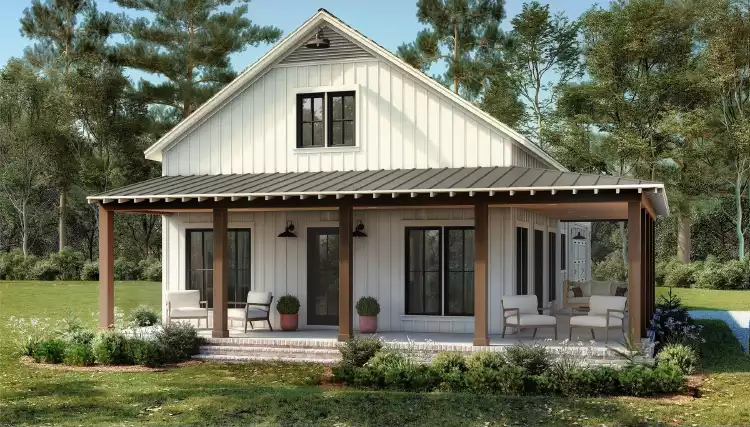
Successfully executing a small house plan requires a synergy between structural layout and interior finishing—specifically, the flooring. The right floor plan creates the flow, while the right flooring plan creates the illusion of depth and continuity. Here is how to navigate the complexities of small-scale residential design.
The Core Principles of Small House Plans
When working with limited square footage, the primary goal is to eliminate “dead space.” Traditional homes often feature hallways and formal dining rooms that remain unused for most of the day. In small house plans, these are the first elements to be redesigned or removed.
The Open Concept Revolution
Most successful small house plans utilize an open-concept living area. By merging the kitchen, dining, and living rooms into one “great room,” you remove unnecessary interior walls that block light and restrict movement. This creates a sightline that extends from one end of the house to the other, making a 600-square-foot space feel significantly larger.
Vertical Thinking and Lofts
When you cannot expand outward, you must expand upward. High ceilings are a secret weapon in small house design. They prevent the “caving in” feeling that can occur in tight quarters. Many designers incorporate lofted sleeping areas or storage “attics” above kitchens and bathrooms. This frees up the main floor for active living while utilizing the often-wasted space near the roofline.
Multi-Functional Zones
In a small home, a guest bedroom might also serve as a home office, and a kitchen island might double as a dining table. The floor plan must reflect this. Built-in furniture, such as “murphy beds” or bench seating with hidden storage, allows a single room to transform its identity based on the time of day.
The Strategic Flooring Plan: Visual Expansion Techniques
Flooring is often an afterthought in the design process, but in a small house, it is the most powerful tool for visual manipulation. The choice of material, color, and direction can either “shrink” a room or open it up completely.
Consistency is Key
One of the biggest mistakes in small house flooring is changing the material from room to room. Using different flooring for the kitchen, living area, and bedroom creates visual “breaks” that tell the brain the space is small. To make a house feel expansive, use a single type of flooring throughout the entire home—including the bathroom, if the material is moisture-resistant. This uninterrupted flow tricks the eye into seeing one continuous, large space.
The Importance of Plank Size and Direction
If you are using wood, laminate, or luxury vinyl planks (LVP), the direction of the grain matters. Laying planks parallel to the longest wall of the house will draw the eye outward, elongating the room. Furthermore, many people assume small rooms require small tiles or narrow planks. In reality, large-format tiles and wide planks are better. Fewer grout lines or seams mean less visual “clutter,” resulting in a cleaner, more expansive look.
Light vs. Dark Tones
Light colors reflect more light, which is essential for small spaces that might not have an abundance of windows. Light oak, pale grey, or cream-colored tiles can brighten a room instantly. However, if you have ample natural light, a dark floor paired with very light walls can create a sense of “grounded” luxury and depth.
Material Selection for Small Footprints
Because a small house has less surface area, you can often afford higher-quality materials that might be budget-prohibitive in a larger home.
- Luxury Vinyl Plank (LVP): This is currently the gold standard for small homes. It is 100% waterproof, highly durable, and comes in realistic wood or stone finishes. Its durability is vital in small homes where “high traffic” happens over the same few feet of floor every day.
- Polished Concrete: For modern or industrial small house plans, polished concrete is an excellent choice. It is seamless, reflects light beautifully, and acts as a thermal mass to help regulate the temperature in a small, well-insulated space.
- Engineered Hardwood: If you prefer the warmth of real wood, engineered hardwood provides the aesthetic of timber with better stability against moisture and temperature changes, which can be more volatile in smaller enclosed environments.
Integrating Functionality with Aesthetics
A flooring plan must also account for the technical realities of a small home. For instance, many small houses are built on concrete slabs or trailers (in the case of tiny houses on wheels). In these scenarios, radiant floor heating is a highly efficient way to heat the home without taking up wall space with bulky radiators or ductwork.
Furthermore, the transition between indoor and outdoor living is crucial. Many small house plans feature large glass sliding doors that lead to a deck or patio. By using a similar flooring material or color for both the interior floor and the exterior deck, you blur the boundary between inside and out, effectively “borrowing” the outdoor space to increase the perceived size of your home.
Conclusion
Designing a small home is a masterclass in intentionality. It requires the homeowner to audit their needs and prioritize quality of space over quantity of rooms. A successful small house plan doesn’t just fit a life into a smaller box; it optimizes that life through smart architecture and strategic interior choices.
By focusing on open sightlines, vertical volume, and a consistent, high-quality flooring plan, you can create a residence that feels grand despite its modest dimensions. In the world of small house living, the floor is not just something to walk on—it is the canvas upon which the entire illusion of space is built. When you master the floor plan and the flooring, you turn a small house into a spacious home.