Creating a visually captivating and emotionally comforting home is a deeply personal journey. Interior decoration extends far beyond simply selecting stylish furniture or matching color schemes; it is an art form that merges function, aesthetics, and personal story. A beautifully decorated home enhances daily well-being, fosters tranquility, and provides an inviting atmosphere for family and guests alike.
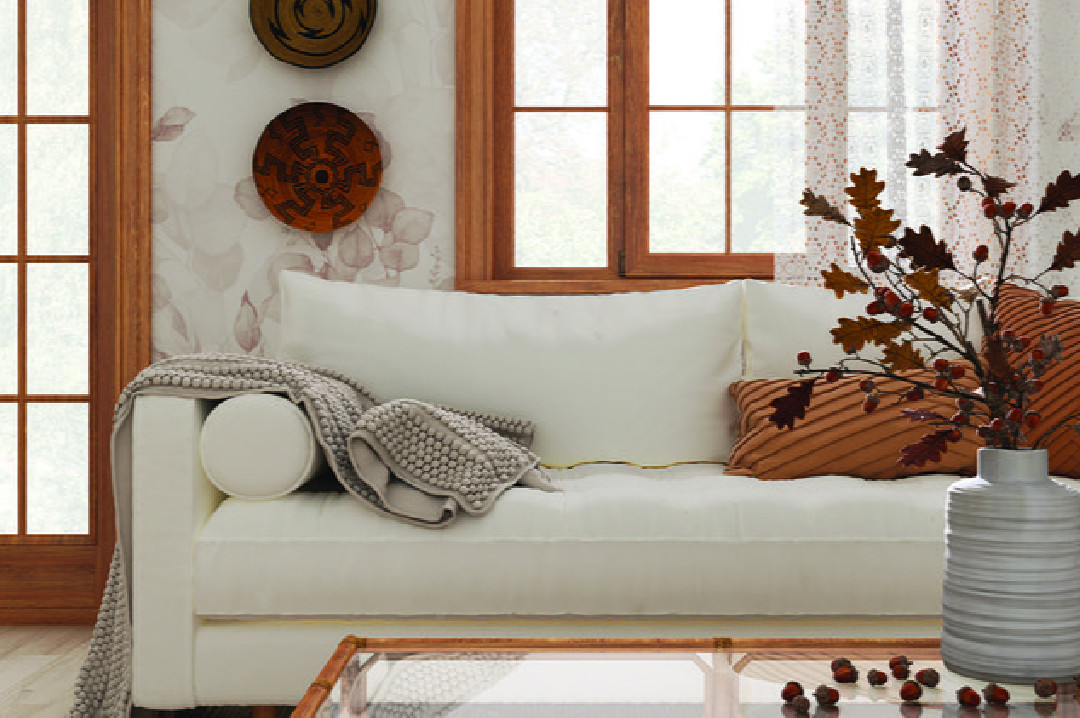
This comprehensive guide explores modern principles of beautiful home decor, offering fresh perspectives on design philosophy, balance, lighting, and intentional styling to help you elevate any living environment.
Defining Your Personal Interior Aesthetic
Before purchasing decorative accents or repainting walls, it is essential to define the core aesthetic that reflects your personality and lifestyle. Rather than rigidly following temporary trends, successful home decor relies on authentic self-expression and timeless design foundations.
Begin by evaluating how you want each room to feel. Minimalist aesthetics emphasize clean lines, open space, and uncluttered serenity, making them ideal for high-stress daily routines. Scandinavian design incorporates light wood tones, cozy textiles, and functional simplicity to create warm, functional quarters. Earthy organic styles prioritize raw stone, reclaimed wood, and botanical elements, bringing the calming essence of nature indoors.
Combining elements from different design movements often yields the most compelling results. Blending vintage pieces with contemporary silhouettes creates a rich, layered look that feels organic rather than curated from a showroom catalog.
Master the Harmony of Color and Texture
Color establishes the emotional tone of a home, while texture provides tactile depth and visual interest. Balancing these two components is critical to achieving a sophisticated space.
Selecting a Purposeful Color Palette
A cohesive color strategy unifies disparate rooms into a continuous narrative. Neutral foundations—such as warm creams, soft taupes, and muted greys—provide a flexible canvas that allows architectural features and accent pieces to shine. Introducing bold tones through artwork, rugs, or throw pillows creates focused visual anchors without overwhelming the senses.
Layering Textures for Depth
A room composed entirely of smooth surfaces often feels cold and sterile. To cultivate warmth and richness, layer contrasting textures throughout the space:
- Pair plush velvet cushions with a crisp linen sofa to create contrast.
- Combine smooth ceramic vases with rustic woven baskets for varied tactile feedback.
- Introduce natural timber elements alongside matte metal fixtures to balance organic and structured aesthetics.
Strategic Lighting and Space Maximization
Lighting is one of the most influential yet frequently overlooked aspects of beautiful home decoration. Proper lighting design transforms spatial perception, alters mood, and highlights key design elements.
A well-decorated space incorporates three primary layers of illumination: ambient lighting for overall visibility, task lighting for focused activities such as reading or cooking, and accent lighting to showcase artwork or architectural details. Utilizing warm-toned light bulbs creates an inviting ambience, while strategically placed mirrors bounce natural sunlight into darker corners, instantly making small rooms feel larger and brighter.
Arranging furniture with spatial flow in mind is equally crucial. Ensure clear pathways throughout the home, avoid blocking natural light sources, and select furniture pieces proportional to the dimensions of the room.
Curating Statement Art and Personal Accents
Personal artifacts, wall art, and curated accessories are what turn a house into a warm, character-filled home. The secret to decorating with accessories lies in restraint and intentional placement.
Instead of scattering small trinkets across every flat surface, group decorative items in odd numbers—typically sets of three—varying their height, shape, and material to create dynamic visual compositions. Large-scale artwork on a main wall serves as a powerful focal point, anchoring the room’s overarching design.
Incorporate meaningful possessions such as travel keepsakes, heirloom books, or custom family portraits. These personal touches add authenticity and warmth, ensuring your living space remains distinctly unique.
Integrating Nature into Indoor Spaces
Biophilic design—the practice of connecting human environments with the natural world—remains a cornerstone of beautiful interior decoration. Indoors, live plants improve air quality, introduce vibrant organic colors, and break up rigid geometric lines.
Incorporate low-maintenance indoor greenery like monstera, snake plants, or peace lilies to bring vitality to living rooms and study spaces. Complement botanical life with natural materials like stone, clay, marble, and jute. The subtle imperfections of natural materials impart a grounded, relaxed quality to modern interiors.
Conclusion
Beautiful home decor is not about achieving rigid perfection; it is about creating a harmonious, welcoming environment that aligns with your daily life and aesthetic preferences. By understanding color harmony, layering textures, optimizing light, and curated personal accents, you can transform any house into an extraordinary personal sanctuary. Thoughtful decoration honors both form and function, ensuring your space remains visually inspiring and deeply comfortable for years to come.