In the rapidly evolving world of residential architecture, the concept of the “basic home plan” has undergone a significant transformation. In 2026, basic does not mean boring or insufficient; rather, it refers to the fundamental principles of efficiency, functionality, and timeless design. A well-executed basic home plan serves as the essential blueprint for a life lived with intentionality, providing a sturdy foundation upon which a family can grow and adapt.
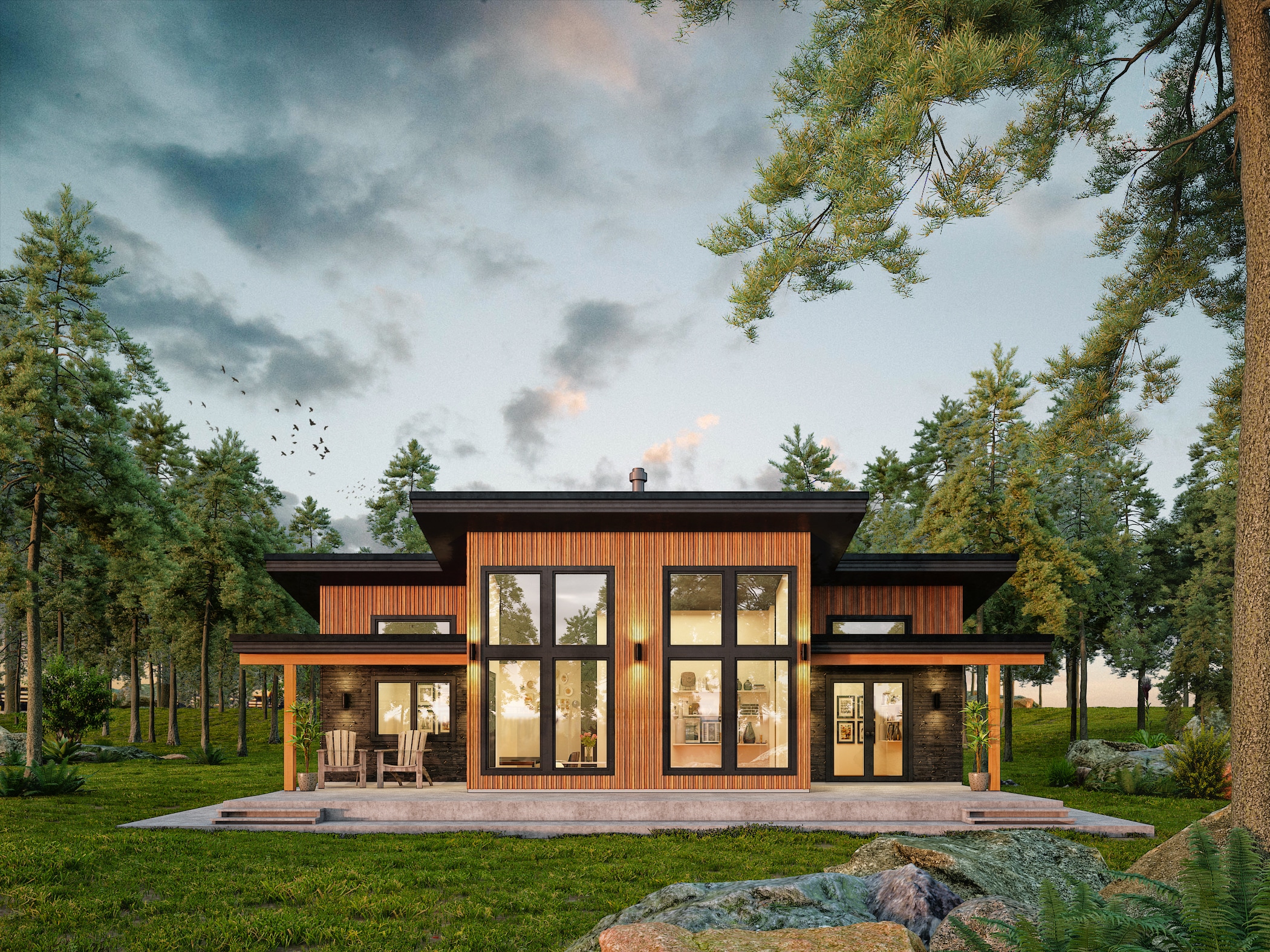
Whether you are a first-time homebuyer looking to build your first property or a seasoned homeowner aiming to downsize into a more manageable space, understanding the core elements of a basic home plan is crucial. This article explores the strategic advantages of simple residential design and the key features that make a modest footprint feel like a sprawling sanctuary.
The Philosophy of Efficiency in Modern Design
The modern basic home plan is rooted in the philosophy of “Essentialism.” As construction costs and environmental awareness continue to rise, architects and homeowners are moving away from excess square footage in favor of high-performance spaces. A basic home plan prioritizes the “flow” of daily movement—ensuring that the transition from the garage to the kitchen, or the bedroom to the bathroom, is seamless and logical.
Efficiency in a basic plan also extends to energy consumption. Smaller, well-planned footprints are inherently easier to heat and cool. By focusing on a compact design, homeowners can often afford higher-quality materials—such as premium insulation, triple-paned windows, and high-end finishes—that might be budget-prohibitive in a larger, more complex structure.
Core Elements of a Functional Basic Home Plan
To be successful, a basic home plan must address the fundamental needs of its inhabitants without the clutter of “prestige” rooms that are rarely used. There are several non-negotiable elements that define a high-quality basic layout.
The Open-Concept Living Core
Most modern basic plans revolve around a central living core that combines the kitchen, dining area, and living room into a single, cohesive space. This eliminates the need for redundant hallways and formal dining rooms, which often sit empty for 360 days of the year. By merging these zones, even a small home feels airy and spacious, allowing natural light to penetrate deep into the interior.
Strategic Zoning of Private Spaces
While the living area is open, a good basic plan must provide “zonal privacy.” This is often achieved through a “split-bedroom” layout, where the primary suite is located on one side of the house and the secondary bedrooms are on the other. This ensures that even in a modest home, family members have a sense of sanctuary and acoustic separation.
The “Universal” Bathroom Design
In a basic home plan, every square foot must work hard. Bathrooms are often designed with “universal access” in mind, featuring wider doorways and walk-in showers. This not only makes the home more accessible for guests of all ages but also future-proofs the house, allowing owners to age in place comfortably without the need for expensive future renovations.
Maximizing Utility: The “Hidden” Heroes of the Basic Plan
One of the most common mistakes in simple home design is neglecting the “utility” areas. A professional basic home plan treats the laundry room, pantry, and storage closets with as much respect as the living room.
Integrated storage is a hallmark of a great basic design. This includes built-in shelving, “drop zones” near the entrance for shoes and coats, and deep kitchen pantries that utilize vertical space. By planning for storage at the blueprint stage, you prevent the “clutter creep” that often plagues smaller homes. When everything has a designated place within the floor plan, the home remains visually calm and physically organized.
Indoor-Outdoor Synergy on a Budget
A basic home plan can feel twice its actual size by incorporating the “outdoor room” concept. In 2026, the trend is toward creating a direct visual and physical link to the backyard or patio. Large sliding glass doors or even a simple set of French doors can turn a modest dining area into an expansive indoor-outdoor entertaining space.
By extending the flooring material from the interior to an outdoor deck, the eye is tricked into seeing the exterior as part of the internal square footage. This connection to nature is not just an aesthetic choice; it has profound psychological benefits, reducing stress and increasing the overall enjoyment of the home.
Choosing the Right Style for a Basic Footprint
When working with a basic home plan, the architectural style should complement the simplicity of the layout. Several styles lend themselves particularly well to modest footprints:
- Modern Farmhouse: Known for its clean lines and functional porches, this style emphasizes comfort and durability.
- Contemporary Minimalist: This style uses large windows and flat or shed roofs to create a high-tech, sophisticated look that maximizes every inch of space.
- The Classic Bungalow: A perennial favorite for basic plans, the bungalow offers a cozy, grounded feel with a focus on craftsmanship and “human-scale” proportions.
The Financial Logic of Starting Small
Beyond the lifestyle benefits, there is a powerful financial argument for the basic home plan. A smaller, well-designed home represents a lower initial capital investment and lower ongoing maintenance costs. This freedom allows homeowners to invest their resources in other areas—be it travel, retirement savings, or upgrading the home’s technology.
In a volatile real estate market, basic homes often retain their value better because they appeal to a broader demographic, including young professionals, small families, and retirees. They are the “workhorses” of the housing market—always in demand and easy to manage.
Conclusion
The beauty of a basic home plan lies in its clarity. It is a design that strips away the unnecessary to reveal the heart of what a home should be: a safe, efficient, and beautiful backdrop for the human experience. By focusing on smart zoning, open-concept living, and a strong connection to the outdoors, a basic plan can offer a quality of life that rivals even the most extravagant mansions.
As we look toward the future of housing, the emphasis is no longer on how much space we can own, but on how well we can live in the space we have. A basic home plan is the first step toward that goal. It is an invitation to live more with less, proving that when the foundation is right, the possibilities for the future are limitless. Whether you are building from scratch or looking for inspiration, remember that the best designs are those that serve your life, rather than those that you have to serve.