Home improvement is a journey of transformation that balances personal comfort with long-term property value. In 2026, the concept of “improving” a home has shifted away from purely cosmetic changes toward a more holistic approach that integrates efficiency, wellness, and multifunctional design. Whether you are preparing a house for the real estate market or simply wishing to elevate your daily living experience, knowing which projects to prioritize is the key to a successful renovation.
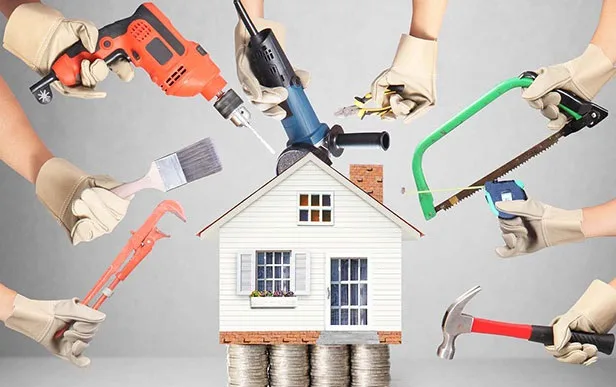
The most effective home improvements are those that address the fundamental “health” of the building while simultaneously enhancing its aesthetic appeal. This article serves as a professional guide to the most impactful things you can do to improve your home, ranging from simple weekend updates to more significant structural investments.
Prioritizing the “First Impression”: Exterior Curb Appeal
The exterior of your home is the first thing you see when you arrive and the first thing a guest or potential buyer notices. Improving your curb appeal is one of the highest-return investments you can make.
Start with the front door. A high-quality, freshly painted door in a bold yet sophisticated color can act as a centerpiece for the entire facade. If your budget allows, consider upgrading to a modern steel or fiberglass door with high-energy efficiency ratings. Additionally, look at your lighting. Replacing dated porch lights with contemporary, motion-sensing LED fixtures not only improves safety but also modernizes the look of the home instantly.
Landscaping is another critical area. You don’t need a professional gardener to make an impact. Simple actions like edging the lawn, adding fresh mulch to flower beds, and planting native, low-maintenance shrubs can dramatically change the visual weight of your property. For those in more urban environments, “vertical gardening” or well-placed large planters can provide a touch of nature that softens architectural lines.
The Heart of the Value: Kitchen and Bathroom Refreshes
It is a well-known axiom in real estate that “kitchens and bathrooms sell houses.” However, you don’t always need a full “gut renovation” to see a major difference.
In the kitchen, consider a “surfacing” strategy. Replacing old, worn-out cabinet hardware with modern brass or matte black handles can change the entire vibe of the room. If the cabinet boxes are in good structural shape, painting or refacing the doors is significantly cheaper than a full replacement. Upgrading to a “smart” faucet or an energy-efficient dishwasher is another practical improvement that adds daily convenience and modern appeal.
In the bathroom, focus on the details that signal cleanliness and luxury. Replacing an old, leaky showerhead with a rainfall model or a high-pressure wand provides an immediate lifestyle upgrade. Re-grouting tiles and replacing a cracked or dated vanity can make the space feel brand new. If you have the space, adding integrated storage solutions—like recessed shelving in the shower—can eliminate clutter and make the room feel more like a private spa.
Enhancing Efficiency and “Invisible” Comfort
Some of the most important things to do for home improvement are the ones you cannot see. In 2026, energy efficiency is a top priority for homeowners looking to reduce utility costs and their carbon footprint.
- Insulation and Sealing: One of the most cost-effective improvements is sealing air leaks around windows and doors with fresh weatherstripping. Checking the insulation levels in your attic and crawl spaces can lead to massive savings on heating and cooling bills.
- Smart Climate Control: Installing a programmable smart thermostat allows the home to learn your schedule and adjust temperatures accordingly. This is a “set it and forget it” improvement that pays for itself within the first year.
- Lighting Transition: If you haven’t already, transition the entire home to high-CRI (Color Rendering Index) LED lighting. Not only do these bulbs last for decades, but they also allow you to control the “warmth” of your rooms, significantly affecting the mood and perceived quality of your interior design.
Creating a Professional “Work-From-Home” Anchor
The modern home is now a workplace for millions. One of the best things you can do for a modern home improvement project is to create a dedicated, professional anchor for remote work.
This goes beyond just placing a desk in a guest room. To truly improve the home, consider the acoustics and lighting of your workspace. Adding acoustic wall panels can reduce echo during video calls while serving as a modern design element. Built-in shelving and hidden cable management systems prevent “tech-clutter” from spilling into your living areas. By creating a physical and psychological boundary between “work” and “home,” you improve the functionality of the house and your own mental well-being.
Flooring: The Foundation of Interior Style
Flooring is the largest horizontal surface in your home, and its condition dictates the “cleanliness” of your interior design. If your carpets are stained or your linoleum is peeling, no amount of wall decor will fix the look.
In 2026, the trend is toward “Luxury Vinyl Plank” (LVP) or engineered hardwood. These materials are incredibly durable, water-resistant, and can mimic the look of expensive natural wood or stone perfectly. For a simpler improvement, professional deep-cleaning of existing carpets or refinishing old hardwood floors can breathe new life into a home. If you want to add comfort and define spaces within an open-concept layout, high-quality area rugs are an excellent “non-permanent” improvement.
Conclusion: Improvement Through Intentionality
Home improvement is not just about spending money; it is about making intentional choices that align with how you actually live. Whether it is through the “micro-wins” of new hardware and fresh paint or the more substantial investments in energy efficiency and flooring, every project should move your home closer to being a high-performance sanctuary.
The best approach is to start with a list of priorities based on your budget and the current needs of the household. Tackle the “invisible” repairs first to ensure a solid foundation, and then move toward the aesthetic changes that bring you the most joy. By focusing on quality over quantity and efficiency over excess, you ensure that your home remains a valuable, comfortable, and beautiful place for many years to come. Your home is your greatest asset—treat it with the care and strategic planning it deserves.