Home improvement is far more than a series of isolated weekend projects or cosmetic quick fixes. True home improvement is a deliberate, strategic discipline that balances structural integrity, spatial functionality, and aesthetic refinement. Whether your goal is to enhance daily comfort, lower long-term energy consumption, or significantly boost your property’s equity, mastering the principles of home renovation allows you to make smart, high-ROI investments in your living space.
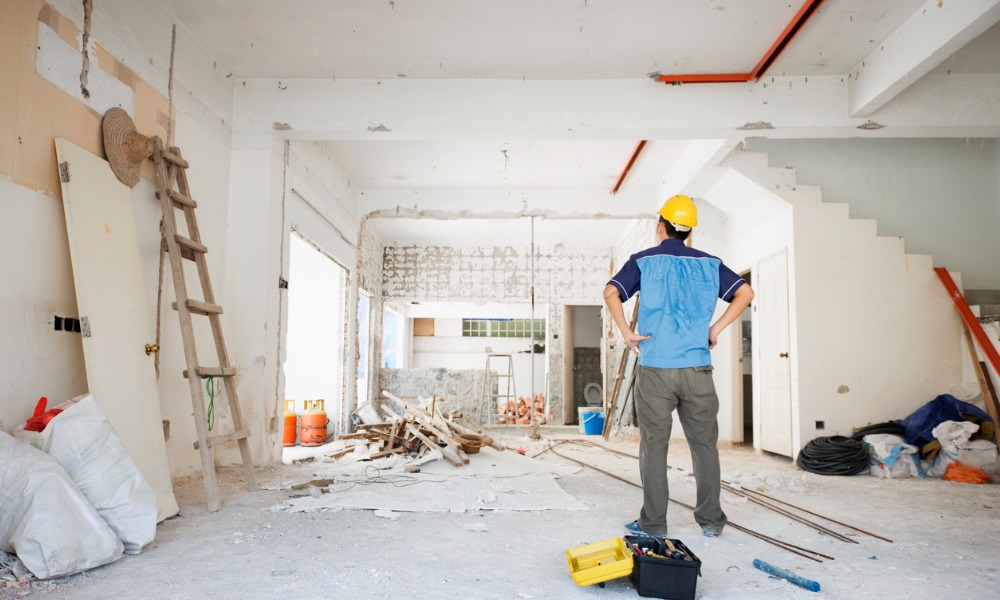
This expert guide explores key strategies for mastering home improvement, covering project prioritization, value-adding upgrades, energy efficiency, and effective project execution.
Establishing a Master Strategy for Home Upgrades
Before picking up a hammer or hiring a team of contractors, successful home improvement requires a structured, long-term master plan. Without a cohesive strategy, home renovation efforts can easily become fragmented, leading to mismatched design elements, budget overruns, and duplicated labor.
Start by conducting a comprehensive assessment of your entire property, categorizing potential projects into three distinct tiers:
- Critical Repairs and Structural Integrity: Essential maintenance issues, such as roof repairs, foundation stabilization, plumbing fixes, or electrical upgrades, must always take precedence over aesthetic enhancements.
- Functional and Lifestyle Enhancements: Upgrades that directly improve daily usability, such as expanding storage, modernizing kitchens, or reconfiguring cramped floor plans.
- Cosmetic Refinements: Visual polishes like fresh wall paint, decorative molding, modern lighting fixtures, and updated landscaping.
Developing a phased timeline ensures that structural necessities are addressed before cosmetic finishes are applied, protecting your visual investments from underlying building issues.
High-ROI Projects: Where to Focus Your Budget
Not all home improvement projects yield equal financial returns. To master home renovation, you must understand which upgrades deliver the highest return on investment (ROI) when it comes time to appraisal or resell.
Kitchen Modernization
The kitchen remains the heart of the modern home and consistently generates strong equity returns. Mastering a kitchen upgrade does not always require a complete gut renovation. High-impact, cost-effective adjustments include refinishing or painting existing cabinetry, upgrading to energy-efficient stainless steel appliances, installing durable quartz or granite countertops, and replacing outdated hardware with modern matte black or brushed brass fixtures.
Bathroom Enhancements
Bathrooms are critical decision points for potential home buyers. Upgrading a dated bathroom with modern water-saving fixtures, large-format porcelain tile, frameless glass shower doors, and integrated floating vanities creates a clean, spa-like atmosphere that adds tangible market value.
Enhancing Curb Appeal and Exterior Aesthetics
The exterior of your property sets the immediate tone for its overall condition. Mastering curb appeal involves creating an inviting, well-maintained exterior that seamlessly connects the outdoor landscape with indoor living spaces.
Key exterior improvements with substantial impact include:
- Front Entryway Upgrades: Replacing or painting the front door in a welcoming, bold tone, updating exterior lighting, and installing modern house numbers instantly elevates first impressions.
- Siding and Paint Touch-Ups: Power washing existing siding or applying a fresh coat of high-quality exterior paint protects structural materials from weather elements while modernizing the home’s facade.
- Low-Maintenance Landscaping: Incorporating native plants, clean flower bed edging, automated drip irrigation systems, and outdoor accent lighting adds sophisticated depth to your yard without creating excessive weekend chores.
Integrating Smart Technology and Energy Efficiency
A truly modern, masterfully improved home is both smart and sustainable. Integrating energy-efficient systems reduces monthly utility expenses, improves indoor comfort, and aligns your living environment with modern environmental standards.
Consider replacing aging windows with double- or triple-pane low-E glass to improve thermal insulation. Upgrading to a smart, programmable thermostat optimizes heating and cooling schedules based on your daily routine, cutting unnecessary energy usage.
Additionally, switching to whole-home LED lighting fixtures, adding proper attic insulation, and installing smart security hardware—such as keyless entry locks and video doorbells—adds modern convenience while enhancing property security.
Navigating DIY Versus Professional Execution
A critical component of mastering home improvement is knowing when to tackle a project yourself and when to enlist qualified licensed professionals.
DIY-Friendly Tasks
DIY projects are ideal for saving labor costs on low-risk visual upgrades. Tasks such as interior wall painting, installing floating shelves, assembling flat-pack cabinetry, applying tile backsplashes, and basic exterior landscaping are well-suited for ambitious homeowners willing to learn.
Hiring Professional Contractors
Complex, high-risk systems require professional expertise to guarantee safety, compliance with local building codes, and structural integrity. Always hire certified specialists for major structural wall removal, electrical panel upgrades, roof replacements, complex plumbing rerouting, and HVAC installation.
Conclusion
Mastering home improvement is an ongoing process of strategic planning, smart financial management, and disciplined execution. By prioritizing structural needs, focusing on high-ROI renovations, enhancing energy efficiency, and balancing DIY efforts with professional expertise, you transform your house into an efficient, beautiful, and highly valuable home. Thoughtful home improvement ensures long-term comfort today while building lasting equity for the future.